


Key Scripture:
“Am I now trying to win the approval of human beings, or of God? Or am I trying to please people? If I were still trying to please people, I would not be a servant of Christ.” — *Galatians
________________________________________
Introduction
The call to walk faithfully with God has never been a popular calling. From the earliest days of divine revelation, those who have been chosen to speak God’s truth have found themselves misunderstood, rejected, mocked, persecuted, and in many cases violently opposed. The message entrusted to them was not one designed to entertain, flatter, or comfort human pride, but one intended to bring repentance, correction, and alignment with the will of the Living God.
In the prophetic message before us, God speaks with clarity and authority to remind His servants that His love is not fragile, nor is it easily offended. He calls His people away from the dangerous desire to please men and firmly anchors them in the higher calling of obedience to His voice. This lesson confronts one of the greatest spiritual temptations of every generation: the fear of rejection and the hunger for human approval.
The Lord makes it clear that those who walk in obedience to Him must accept rejection as part of their journey. Truth has never been celebrated by a fallen world. Instead, it is resisted, mocked, and often violently opposed. Yet God assures His faithful servants that rejection by men is not failure; rather, it is often confirmation that one is walking in truth.
This lesson is designed to equip believers to remain unoffended, unmoved, and unwavering in their devotion to God. It calls the reader to spiritual maturity, discernment, and courage, emphasizing that obedience to God must always outweigh the opinions, praise, or criticism of men. Ultimately, this teaching refocuses our vision on the eternal reality that we will all stand before God alone, accountable not to popular opinion, but to divine truth.
________________________________________
God’s Love and the Freedom from Offense
“Love is patient, love is kind. It does not envy, it does not boast, it is not proud. It does not dishonor others, it is not self-seeking, it is not easily angered, it keeps no record of wrongs.” — 1 Corinthians 13:4–5
God declares that His love is not easily offended, and He invites His people to reflect that same divine nature. Spiritual offense often arises when believers measure their worth by how others treat them rather than by how God defines them. When we become easily offended by rejection, criticism, or gossip, it reveals that our identity has shifted from God’s calling to human validation.
The Lord reminds us that hearing others say, “they do not like you,” should not disturb our peace. Our assignment is not to be liked; it is to be faithful. The freedom from offense comes when we understand that obedience to God automatically places us in opposition to a world that resists His truth. Offense distracts, but love anchors. When believers walk in divine love, they are no longer controlled by the approval or rejection of men.
________________________________________
Obedience Above Human Opinion
“Trust in the Lord with all your heart and lean not on your own understanding; in all your ways submit to Him, and He will make your paths straight.” — Proverbs 3:5–6
God’s instruction is clear: when He says go, we must go; when He says stay, we must stay. Obedience is not conditional upon convenience, popularity, or social acceptance. The Spirit of God leads His servants according to divine purpose, not public opinion.
Many believers delay obedience while seeking confirmation from people rather than from God. This hesitation often leads to compromise. True obedience demands immediate submission to God’s voice, even when His instruction contradicts cultural norms, religious traditions, or personal comfort.
The prophetic message emphasizes that God’s servants must act according to His command regardless of the opinions of others. Human approval is unstable and temporary, but divine approval is eternal. When believers choose obedience, they align themselves with heaven’s authority and receive the grace to endure earthly opposition.
________________________________________
The Pattern of the Prophets and the Cost of Truth
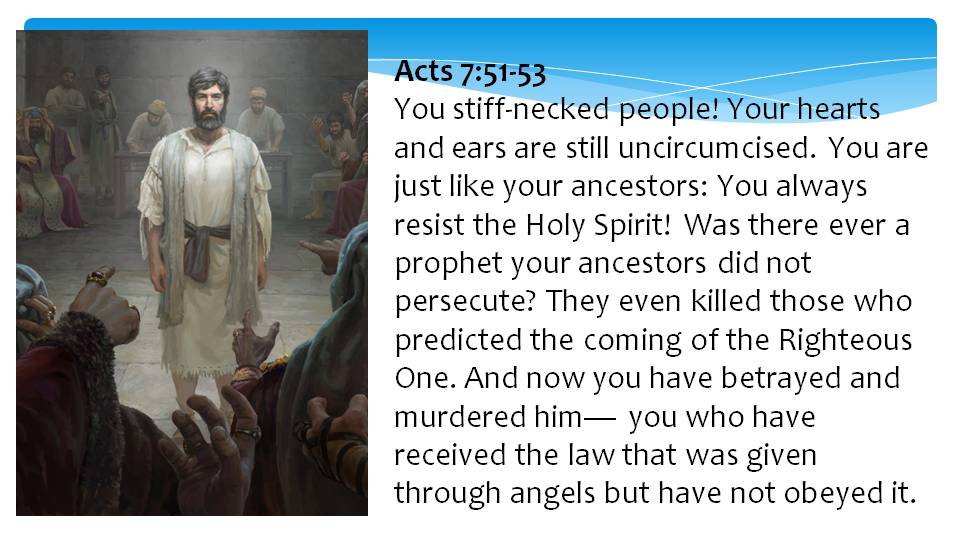
“Which of the prophets did your ancestors not persecute? They even killed those who predicted the coming of the Righteous One.” — Acts 7:52
Throughout biblical history, God’s prophets were rarely celebrated. They were rejected because they spoke truth without compromise. People preferred lying prophets who spoke smooth, comforting messages rather than confronting words that demanded repentance.
The rejection, mockery, and persecution faced by God’s servants today follow the same pattern experienced by the prophets of old. When people repeatedly reject a messenger, it is often because their hearts are hardened against the truth. The resistance is not personal; it is spiritual.
God makes it clear that rejecting His messengers is equivalent to rejecting Him. Truth exposes sin, pride, and false security, and for that reason it is often hated. Yet God continues to send His messengers, not to entertain, but to call His people back to righteousness.
________________________________________
Withdrawing Wisdom and Waiting for God’s Instruction
“Do not give dogs what is sacred; do not throw your pearls to pigs.” — Matthew 7:6
There are moments when God instructs His servants to withdraw rather than persist. When people mock, ridicule, or openly reject the message, wisdom demands discernment. God does not waste revelation on those who refuse to receive it.
Waiting upon the Lord is an act of trust. It requires patience and humility. Withdrawal is not defeat; it is divine strategy. God Himself determines when and where His word should be released. By waiting for His instruction, believers protect their spiritual energy and remain aligned with His timing.

________________________________________
Shaking the Dust and Moving Forward
“If anyone will not welcome you or listen to your words, leave that home or town and shake the dust off your feet.” — Matthew 10:14
God instructs His servants not to be emotionally entangled with rejection. Shaking the dust is a spiritual act of release. It signifies freedom from resentment, bitterness, and regret.
The believer’s responsibility is obedience, not outcome. Consequences belong to God. When His servants release the message faithfully, their task is complete. Moving forward in peace reflects trust in God’s justice and sovereignty.
________________________________________
Jesus Christ: The Ultimate Example of Rejection
“He was despised and rejected by mankind, a man of suffering, and familiar with pain.” — Isaiah 53:3
Jesus Himself experienced intense rejection. Though multitudes followed Him for miracles, they later cried for His crucifixion. He understood the fickle nature of human loyalty and never sought validation from crowds.
Christ’s focus remained fixed on glorifying the Father. His example teaches believers to remain steady regardless of praise or criticism. Identification with Christ inevitably brings opposition, but it also brings eternal reward.
________________________________________
False Authority Versus True Power
“Not by might nor by power, but by My Spirit, says the Lord Almighty.” — Zechariah 4:6
Those operating under false authority seek worship, control, and admiration because of inward insecurity. True authority flows from obedience to God and submission to His Spirit.
God exposes the emptiness of prideful power structures. Leaders and nations that attempt to overthrow divine authority inevitably collapse. History confirms that human pride cannot stand against eternal truth.
________________________________________
The Call to Repentance in a Compromised Church
“They have a form of godliness but deny its power. Have nothing to do with such people.” — 2 Timothy 3:5
Many who claim to be Christians have embraced worldly values rather than God’s holiness. Comfort, convenience, and complacency have replaced obedience and reverence.
God does not send flattering messages to those living in compromise. He sends truth that confronts, convicts, and calls for repentance. The faithful must be willing to disturb false peace in order to restore righteousness.
________________________________________
Remaining Faithful Amid Persecution
“Blessed are those who are persecuted because of righteousness, for theirs is the kingdom of heaven.” — Matthew 5:10
True followers of Christ accept persecution as part of their calling. Faithfulness demands endurance, courage, and unwavering commitment. God assures His servants that truth cannot be destroyed.
Empires rise and fall, but God remains unshaken. Those who oppose Him ultimately face judgment, while those who remain faithful inherit eternal life.
________________________________________
Summary
This lesson reveals that rejection is not a sign of failure but often a confirmation of obedience. God calls His people to remain unoffended, faithful, and focused on His voice. Truth has always been resisted, yet it remains unstoppable.

________________________________________
Conclusion
Believers are called to walk in obedience, not popularity. Human approval is temporary, but divine approval is eternal. God remains sovereign, unchallenged, and victorious.
________________________________________
Call to Action
Examine your heart. Choose obedience over approval. Align your life with God’s truth regardless of the cost. Stand firm, remain faithful, and trust God’s judgment.
________________________________________
Final Word of Encouragement
Remain focused on God. Do not fear rejection. He who called you is faithful, and His reward is sure.
________________________________________
Salvation Prayer
Lord Jesus Christ, I acknowledge that I am a sinner in need of Your grace. I believe that You died for my sins and rose again. I repent of my sins and surrender my life to You. Be my Lord and Savior. Teach me to walk in obedience and truth. Fill me with Your Holy Spirit and give me strength to remain faithful until the end. Amen.







Leave a Comment